HOW WE HELP
Insurance Claim Projects
Insurance claim projects typically involve a longer and more extensive process due to additional documentation, damage assessments, communication with insurance adjusters, and approval requirements. These projects may require more coordination and multiple stages of work, depending on the extent of the damage and the insurance claim process. Project timelines vary based on the scope of work and any necessary approvals.
Self-Pay Projects
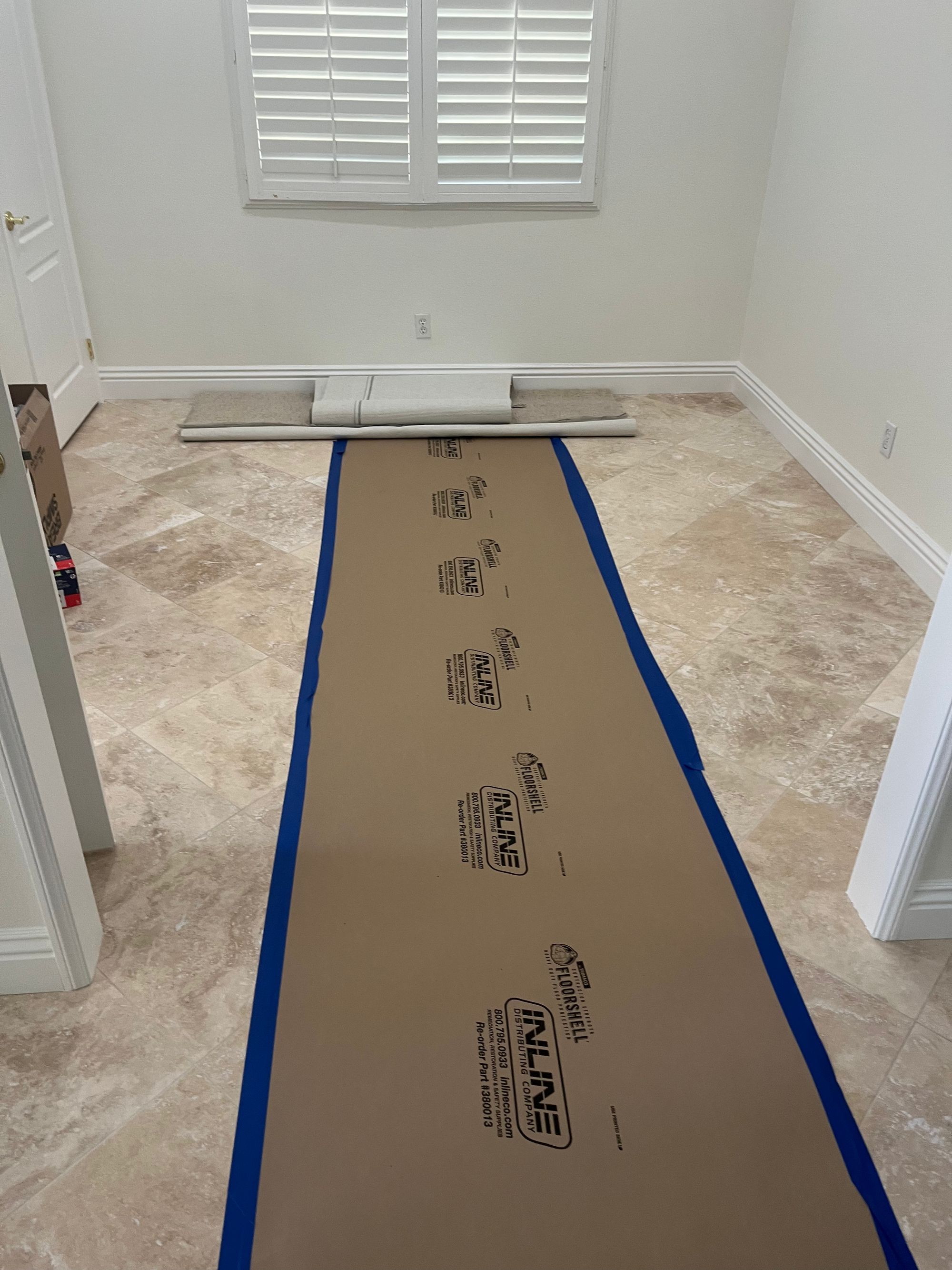
Self-pay projects often allow for a more direct and streamlined process, with fewer administrative steps and greater flexibility in scheduling and decision-making. Without the need to coordinate with an insurance company, work may be able to move forward more quickly. Project timelines depend on the extent of the damage, the scope of work, and the customer's approval.
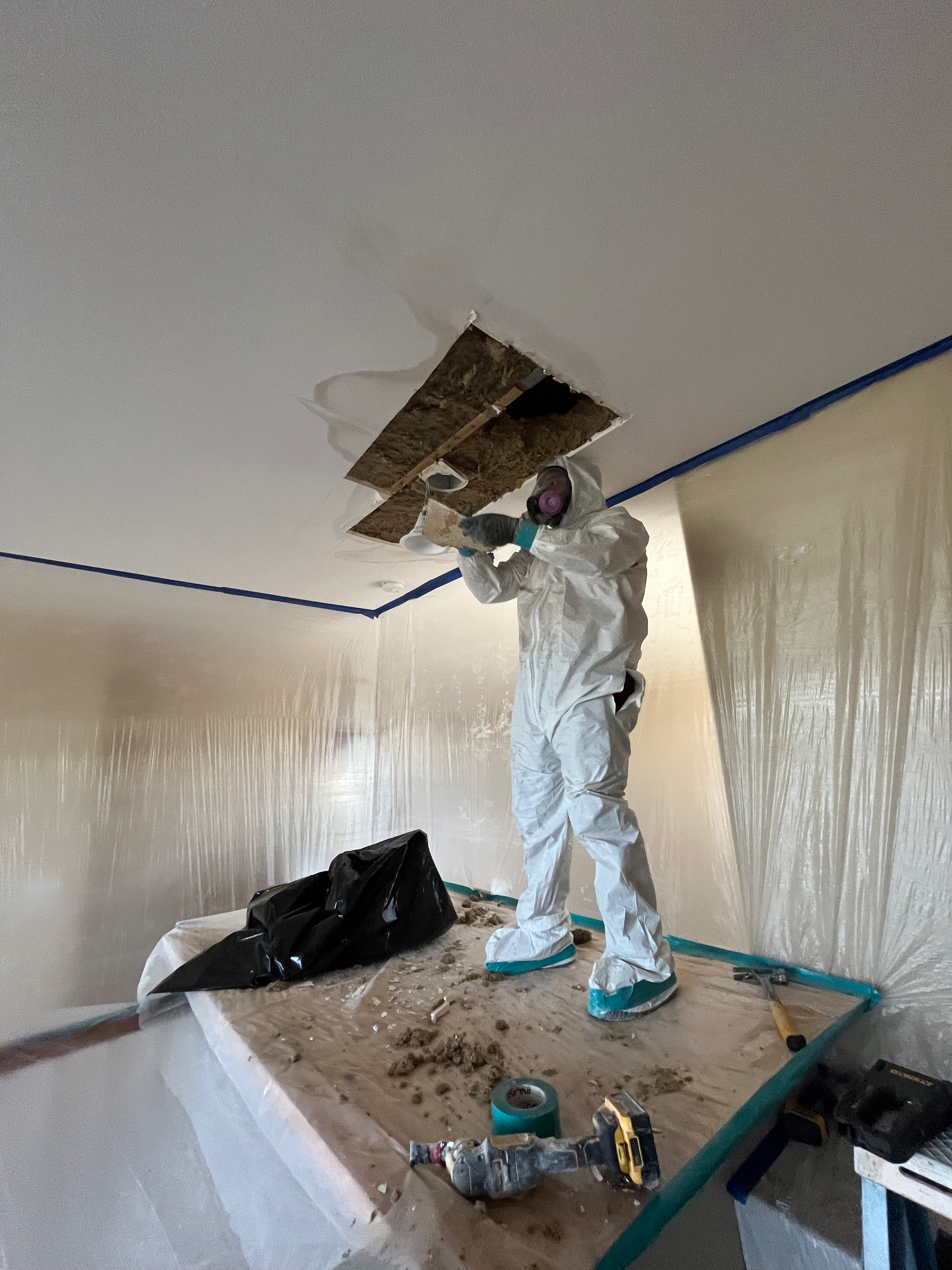
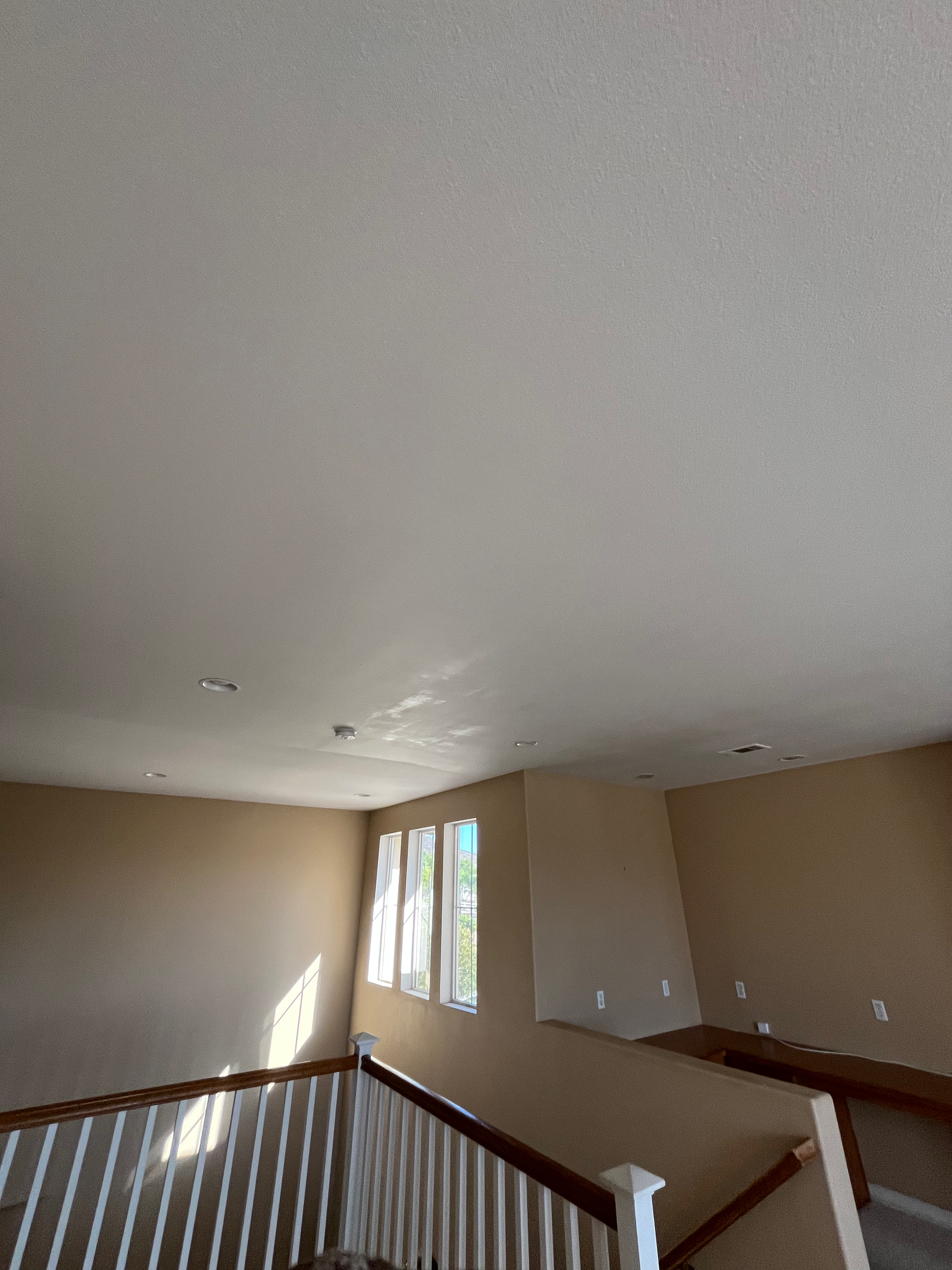
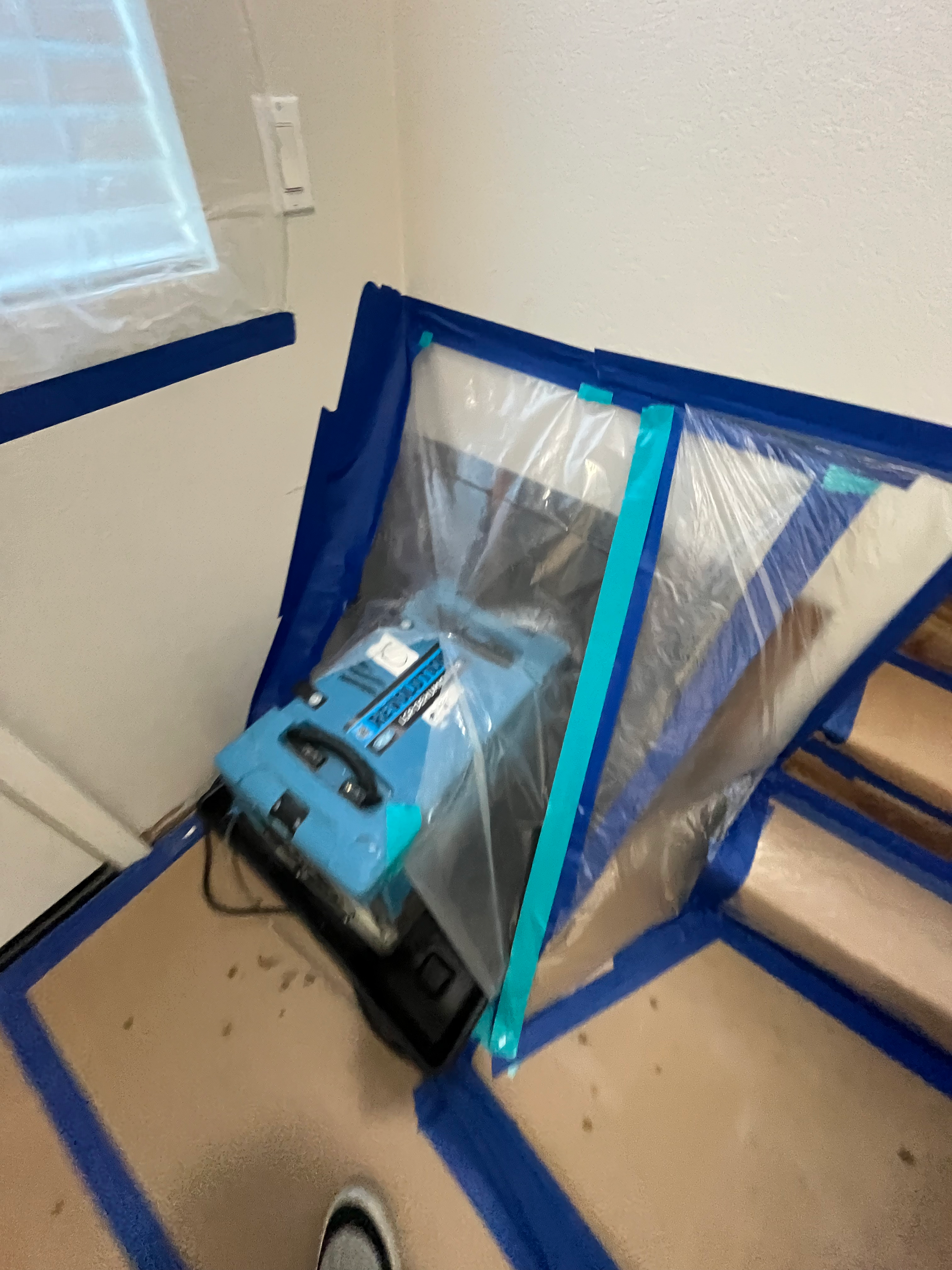
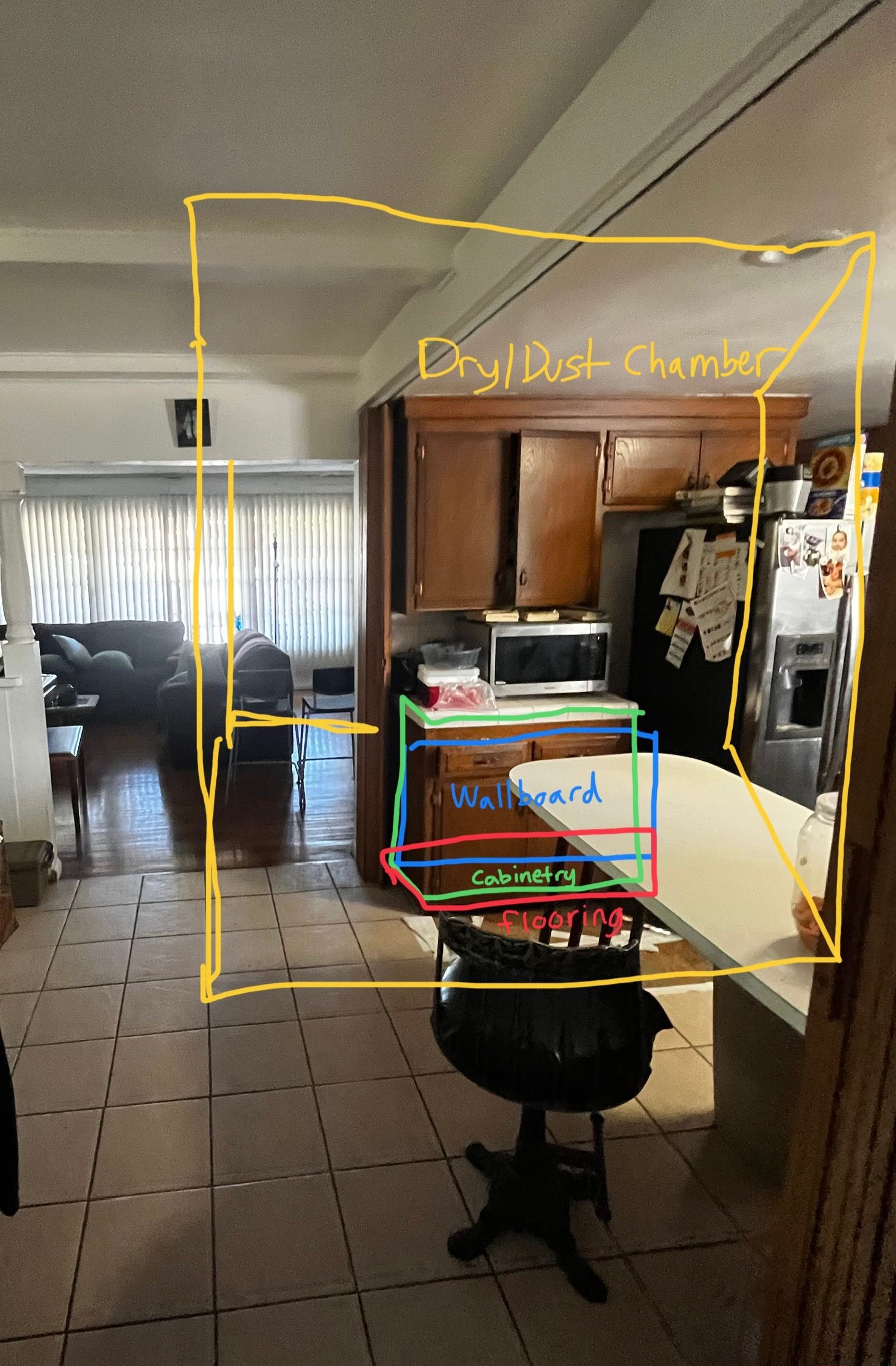
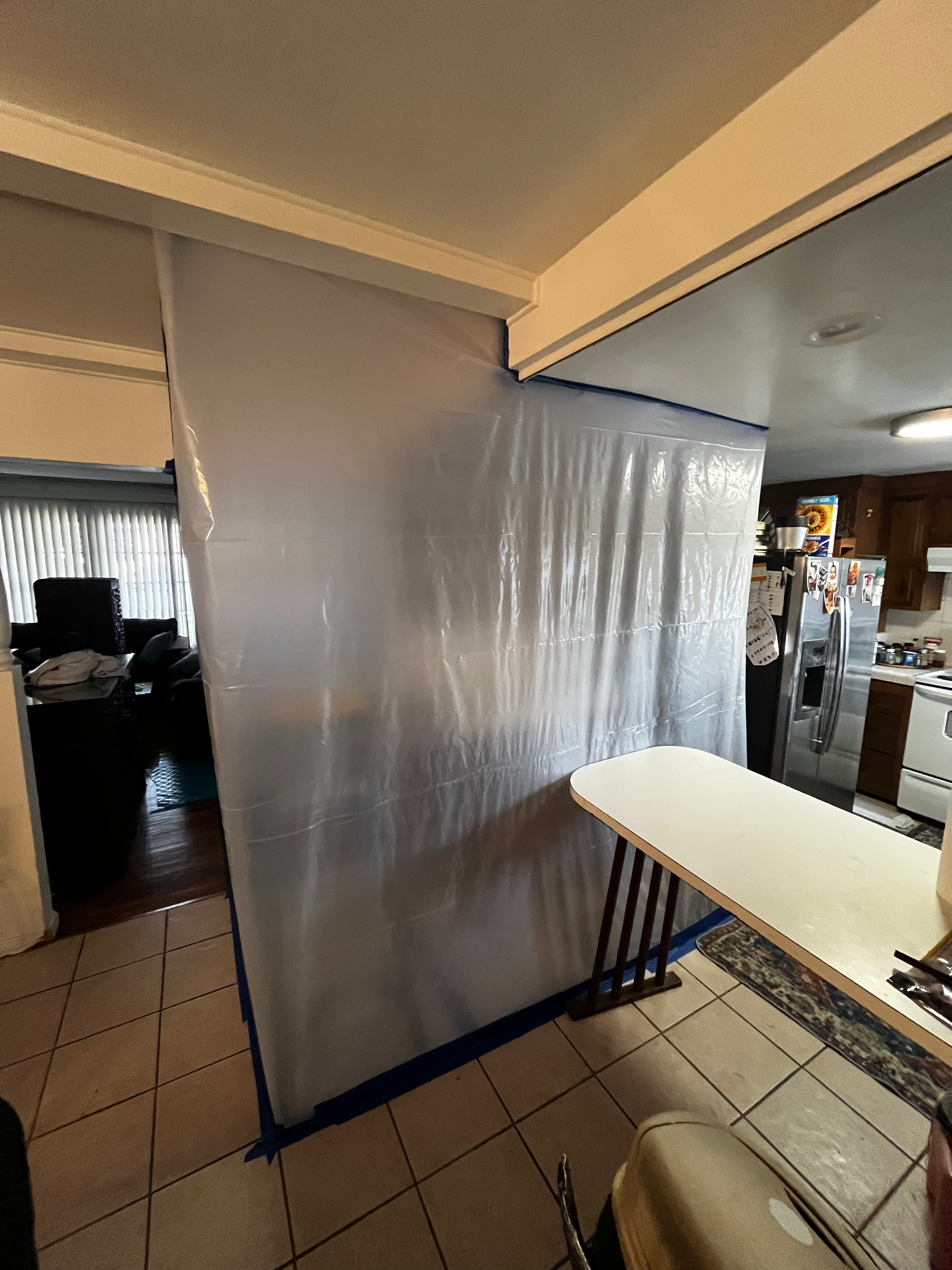
Dust/Drying Chambers
Use containment barriers to control dust measures to protect workers, occupants, and unaffected areas.
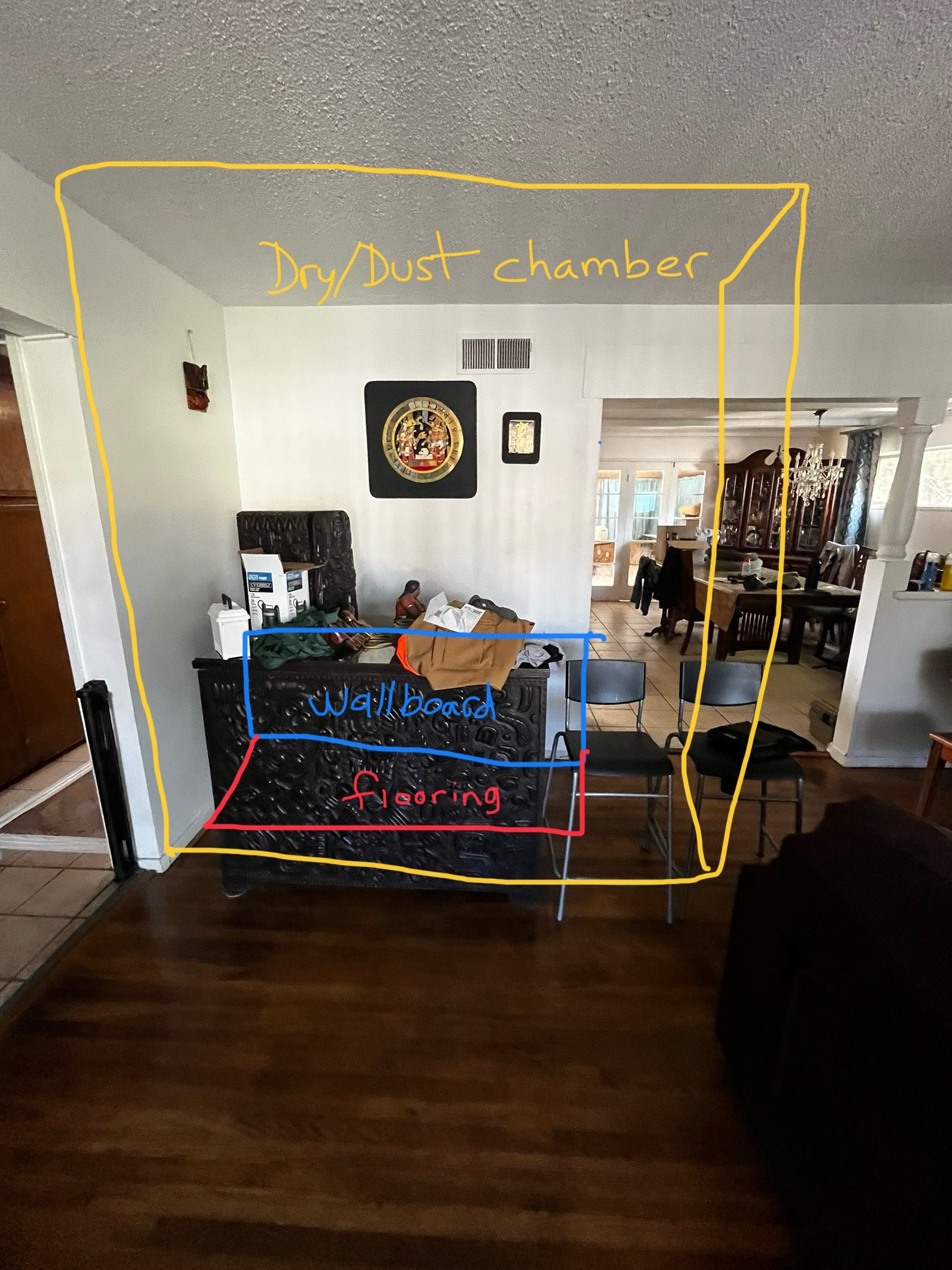
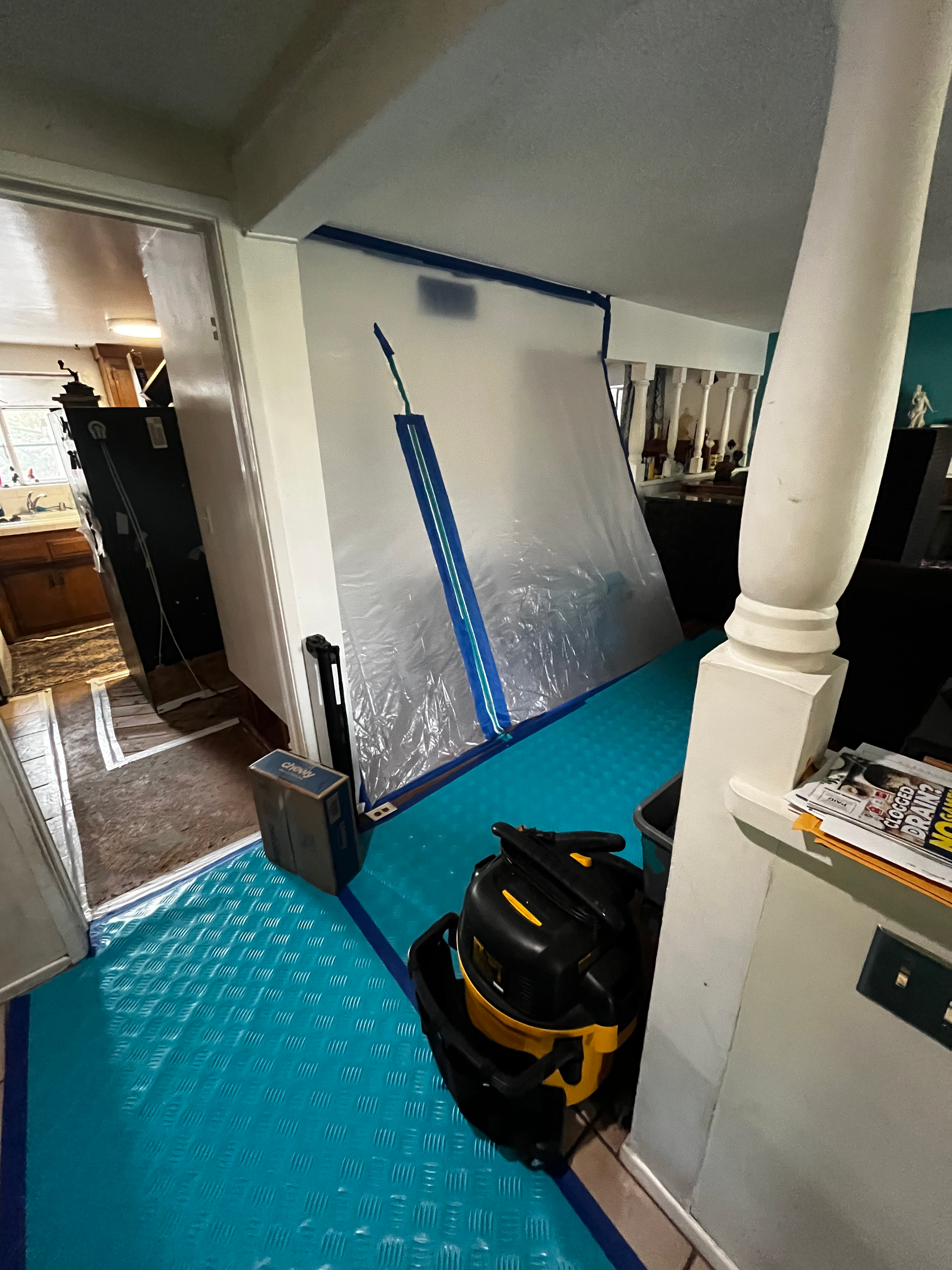
Dust/Drying Chambers
Use containment barriers to control dust measures to protect workers, occupants, and unaffected areas.
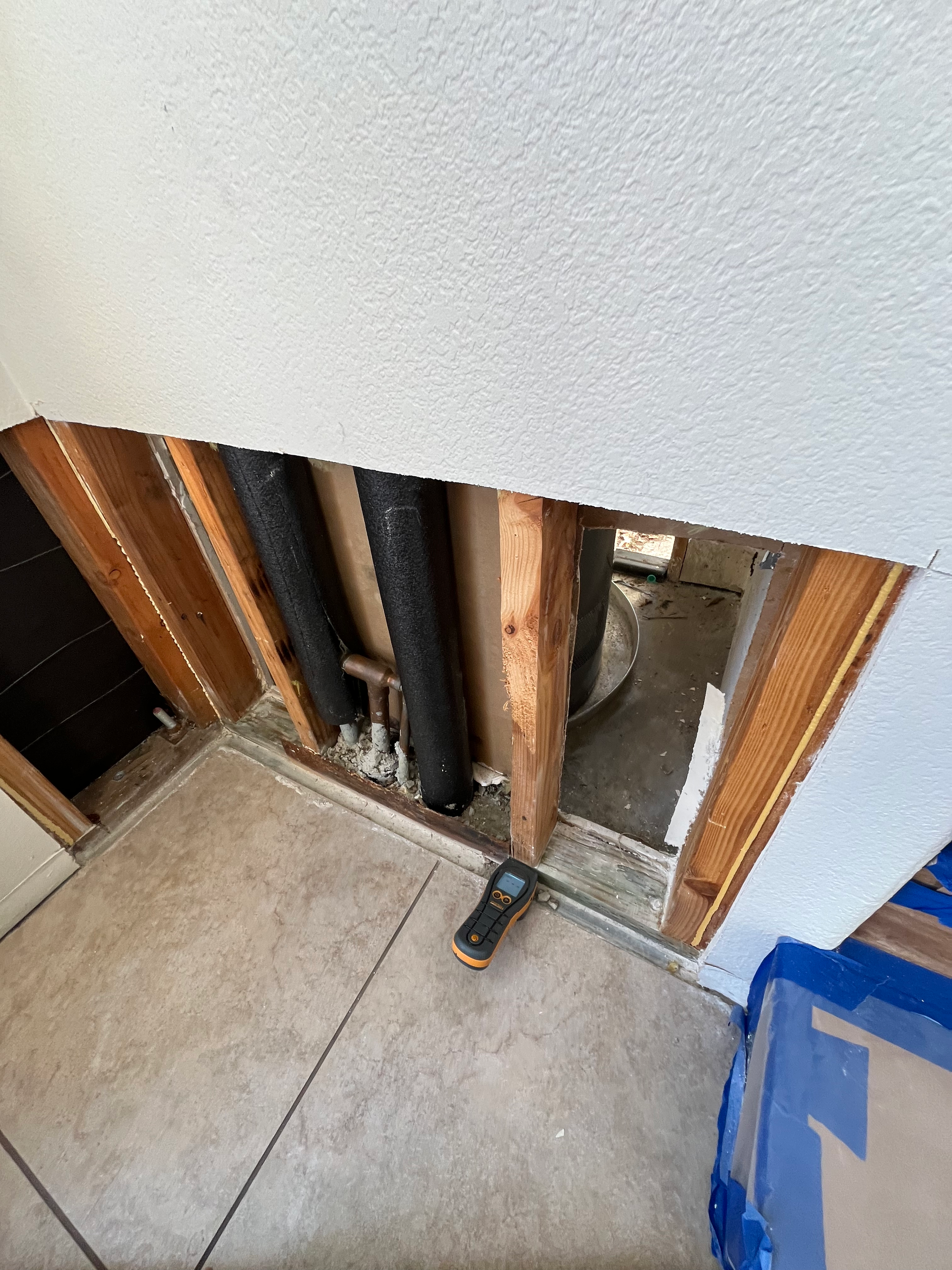
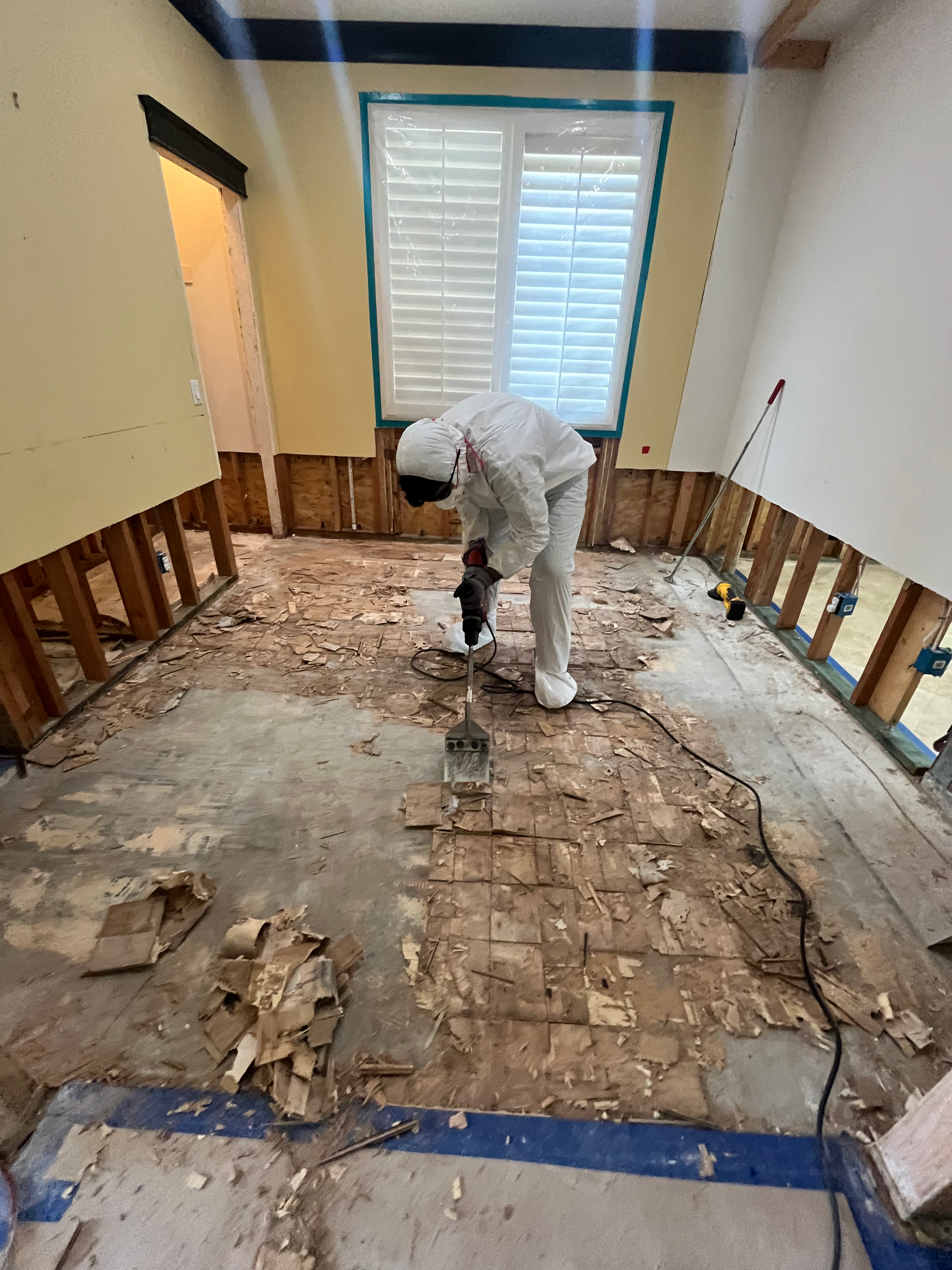
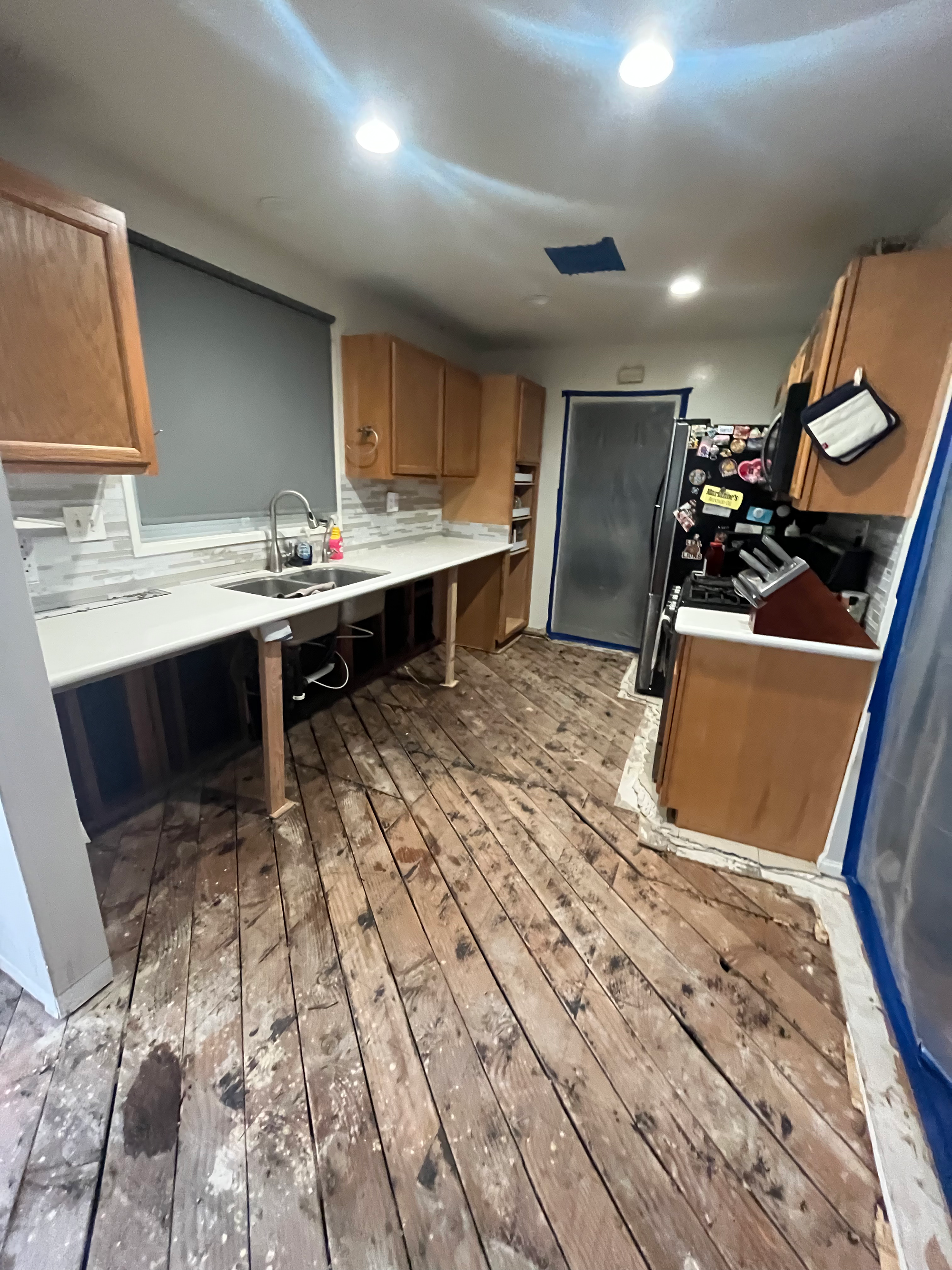
Removing Affected Materials
Removing water-damaged or mold-contaminated materials is essential because it eliminates materials that may be unable to be properly dried or cleaned. This helps prevent continued moisture retention, reduces the risk of mold growth and secondary damage, and allows the remaining structure to be properly cleaned, dried, and restored.
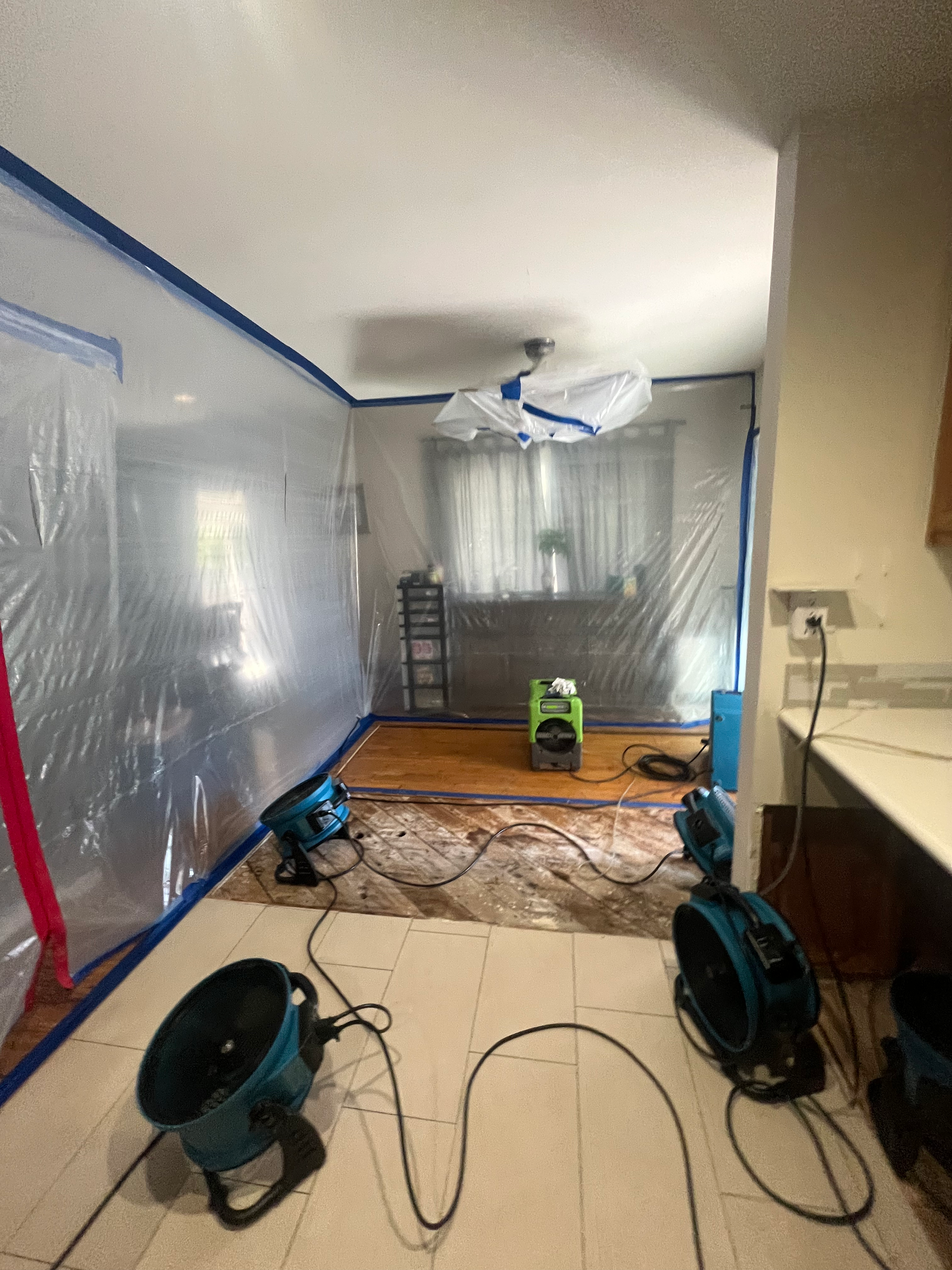
Drying Process
There is no one-size-fits-all drying method. A successful restoration contractor evaluates the affected materials, moisture depth, environmental conditions, and drying goals before selecting equipment. Air movers and dehumidifiers should be used strategically, and progress must be verified through documented moisture readings.